Ballot.Solutions

Solution oriented media is the paradigm shift to empower humanity for a freer world! https://unitedpetitioners.org

  • The Art of Connection

    🗳️ The Art of Connection: How Ballot Access Empowers Us to Stand Against Corruption 🌟

    In a world where government corruption can feel overwhelming, ballot access is a powerful tool that connects people, amplifies voices, and drives change. It’s not just about putting laws or candidates on the ballot—it’s about creating a movement, fostering relationships, and empowering communities to take a stand. Let’s explore how the art of connection fuels the ballot access process and why it’s essential for fighting corruption. 💪✨


    What is Ballot Access? 🤔

    Ballot access refers to the process of getting candidates, political parties, or ballot measures onto the official voting ballot. This process varies by state in the U.S., with requirements like collecting signatures, paying filing fees, or meeting specific thresholds of voter support . While it may seem like a bureaucratic hurdle, it’s actually a gateway to democracy—a way for everyday people to challenge the status quo and demand accountability from their leaders. 🗳️


    The Power of Connection in Ballot Access 🌐

    At its core, ballot access is about connection—connecting with voters, communities, and shared values. Here’s how it works:

    1. Building Relationships Through Signature Drives ✍️🤝

    To get a law or candidate on the ballot, many states require collecting signatures from registered voters. This isn’t just a numbers game—it’s an opportunity to talk to people face-to-face, share your vision, and inspire them to take action. Every signature represents a moment of connection, a chance to explain why standing up against corruption matters. 🌟

    2. Educating and Empowering Communities 📚💡

    The ballot access process is a chance to educate people about issues that affect their lives. Whether it’s fighting for fair elections, environmental protections, or healthcare reform, connecting with voters helps them see how their voices can make a difference. Knowledge is power, and when people understand the stakes, they’re more likely to get involved. 🧠✨

    3. Uniting Against Corruption 🚫💸

    Corruption thrives in silence and apathy. By engaging in the ballot access process, we create a collective voice that demands transparency and accountability. It’s not just about one person or one issue—it’s about building a movement that says, “We won’t stand for this anymore.” Together, we’re stronger. 💪🌍


    Why Ballot Access Matters in Fighting Corruption 🛡️

    Corruption often stems from systems designed to benefit the powerful at the expense of the people. Restrictive ballot access laws can limit choices and silence alternative voices . But when we fight for fair and open access to the ballot, we’re challenging those systems and creating space for new ideas and leaders to emerge. 🌱

    A Few Key Points:

    • Transparency: Ballot measures can shine a light on issues that politicians might prefer to ignore. 🌞
    • Accountability: By putting laws or candidates on the ballot, we hold leaders accountable to the will of the people. 🗣️
    • Representation: Ballot access ensures that diverse voices and perspectives have a chance to be heard. 🌈

    Training People in the Art of Connection 🎓❤️

    To harness the power of ballot access, we need to train people in the art of connection. Here’s how:

    1. Teach the Process 📝

    Many people don’t know how ballot access works or how they can get involved. Workshops, online resources, and community events can demystify the process and empower more people to participate. 🧑‍🏫

    2. Focus on Storytelling 🎤

    Stories are powerful tools for connection. When gathering signatures or advocating for a ballot measure, sharing personal stories about why the issue matters can inspire others to take action. 🌟

    3. Build Grassroots Networks 🌱

    Change doesn’t happen in isolation. By building networks of volunteers, activists, and community leaders, we can amplify our efforts and create a ripple effect of engagement. 🌊


    Together, We Can Make a Difference 🌍✨

    The ballot access process is more than a bureaucratic hurdle—it’s a pathway to change. By connecting with others, educating our communities, and standing up against corruption, we can create a government that truly represents the people. So, let’s roll up our sleeves, grab our clipboards, and get to work. The future is in our hands. 🗳️💪

    Remember: Every signature, every conversation, and every vote matters. Together, we can harness the art of connection to build a better, fairer world. 🌟❤️


    Call to Action: Let’s Get Involved! 🚀

    Are you ready to make a difference? Here’s how you can start:

    • Learn about ballot access laws in your state.
    • Join or start a signature drive for a cause you care about.
    • Educate your friends and family about the power of the ballot.

    Let’s connect, organize, and create change—one ballot at a time. 🗳️✨

  • Beyond the Obstacle

    How BallotAI’s YinYangDAO Fundraising Program Removes Obstacles to Ballot Access and Empowers Communities

    Ballot access is a cornerstone of democracy, yet countless individuals and grassroots movements face significant barriers when trying to get on the ballot. From high costs and complex regulations to limited fundraising opportunities, these obstacles often stifle innovation and limit voter choice. BallotAI is on a mission to change this landscape with our innovative YinYangDAO fundraising program—a solution that not only removes barriers to ballot access but also empowers people with income-generating opportunities, leveraging the power of crypto and the cyclical momentum of the Bitcoin halving.


    The Challenge: Barriers to Ballot Access

    Gaining ballot access is notoriously difficult. Many aspiring candidates and movements are thwarted by:

    • High financial costs for petitioning and compliance
    • Limited access to fundraising networks
    • Complex, opaque processes that discourage participation
    • Lack of technological tools to streamline and secure petition management

    These challenges disproportionately affect grassroots campaigns and underrepresented communities, perpetuating a cycle where only the well-funded and well-connected can participate fully in the democratic process.


    The Solution: YinYangDAO—A Crypto-Powered Fundraising Engine

    Onboarding People into Crypto for Ballot Access

    YinYangDAO is BallotAI’s decentralized fundraising platform designed to democratize access to both crypto and ballot campaigns. By onboarding people into the world of cryptocurrency, we open up new avenues for fundraising that are global, transparent, and efficient. Blockchain technology ensures that every transaction is secure, immutable, and visible to all participants, building trust and accountability into the fundraising process .

    Coordinating with the Bitcoin Halving: Leveraging Cycles for Maximum Impact

    Our fundraising strategy is uniquely synchronized with the Bitcoin halving event, which occurs every four years. Historically, Bitcoin halvings have led to significant increases in Bitcoin’s value due to the reduction in new supply . By aligning our fundraising cycles with these events, we maximize the value of our crypto savings, allowing us to deploy more resources for ballot access campaigns when they are most needed . This cyclical approach turns market timing into a strategic advantage for democracy.


    Empowering Fundraisers: Income-Generating Opportunities for All

    Multi-Level Marketing with High Commissions

    YinYangDAO’s fundraising model is built on a transparent, blockchain-powered multi-level marketing (MLM) structure. Here’s how it works:

    • Direct Fundraiser Commissions: Fundraisers earn a generous 50% commission on all funds they directly raise.
    • Passive Referral Commissions: Additionally, they receive a 5% passive commission on funds raised by their referrals, creating a sustainable, team-based income stream .

    This model incentivizes broad participation and rewards those who help grow the movement, making ballot access not just a civic duty but also an economic opportunity.

    Blockchain and Smart Contracts: Trustless, Automated Payouts

    All commissions and referral payments are managed by smart contracts on the blockchain, ensuring that payouts are automatic, transparent, and tamper-proof. This eliminates the risk of fraud and delays, and allows fundraisers to focus on building their teams and supporting ballot access, rather than worrying about administrative hurdles .


    United Petitioners (UP) and Economic LIFT (LIFT): Yin and Yang in Action

    United Petitioners (UP): Streamlining Ballot Access

    UP is BallotAI’s flagship software for petition management. By leveraging blockchain, UP ensures that every signature is secure, verifiable, and immutable. This not only increases trust in the petition process but also makes it easier for campaigns to meet ballot requirements efficiently and transparently .

    Economic LIFT (LIFT): Empowering Local Economies

    LIFT is our solution for economic localization, designed to help communities build resilience and self-sufficiency. By supporting local production, consumption, and governance, LIFT fosters job creation, environmental sustainability, and social cohesion . It empowers communities to take control of their economic destinies, reducing dependence on centralized systems and global supply chains.

    Yin and Yang: Synergy in Opposites

    UP and LIFT represent two sides of the same coin—political empowerment and economic empowerment. Like the Yin and Yang, they are opposite yet complementary forces:

    • UP focuses on breaking down barriers to political participation, ensuring everyone has a voice in the democratic process.
    • LIFT builds the economic foundation that allows communities to thrive independently.

    Together, they create a holistic approach to societal transformation, where political and economic empowerment reinforce each other in a virtuous cycle.


    Removing Obstacles and Solving Major Societal Problems

    Empowering Fundraisers

    By providing a clear, lucrative path for fundraisers to earn income while supporting ballot access, YinYangDAO removes the traditional obstacles of limited resources and network reach. The MLM structure, powered by blockchain, ensures that everyone—regardless of background—can participate, build teams, and benefit financially .

    Solving Societal Problems

    • UP addresses the democratic deficit by making ballot access more accessible, secure, and transparent .
    • LIFT tackles economic inequality and fragility by promoting localization, resilience, and community empowerment .

    Conclusion: A New Era for Ballot Access and Community Empowerment

    BallotAI’s YinYangDAO fundraising program is more than just a technical innovation—it’s a movement to democratize both political and economic power. By leveraging crypto, blockchain, and the cyclical power of the Bitcoin halving, we are creating a sustainable, income-generating ecosystem that empowers fundraisers, supports ballot access, and builds stronger, more resilient communities. Together, UP and LIFT embody the synergy of Yin and Yang, offering a comprehensive solution to some of society’s most pressing challenges.

    Join us in building a future where everyone has the tools, resources, and incentives to make their voices heard and their communities thrive.

    🌍 Take Charge of Our Future! ✊

    Hey there, amazing people! 🌟 Have you ever felt like the world is being run by someone else? That decisions are made without our voices being heard? It’s time to wake up and realize that we have the power to change this! 💪

    Every day, we see issues that need our attention—whether it’s climate change, social justice, or the integrity of our elections. If we don’t get involved, we risk letting others dictate our future. This is our moment to step up! 🚀

    💖 Be the Change You Want to See

    Imagine a world where your voice matters, where you can contribute to causes that resonate with your heart. Organizations are using innovative technologies like blockchain to enhance transparency and efficiency in charitable giving and voting systems. This means your contributions can make a real difference without the burden of high fees or corruption.

    🔗 Join the Movement!

    Whether it’s donating to a nonprofit that aligns with your values or advocating for secure voting practices, your involvement is crucial. We can harness the power of technology to ensure that our voices are not just heard but amplified! 🌈

    So, let’s unite and take action! Get involved, spread the word, and be the difference in your community and beyond. Together, we can create a world that reflects our hopes and dreams! 🌟✨

    Are you ready to make a change? Let’s do this! 💖

    Get yourself a Telegram account and join in the conversation!

    t.me/YinYangSmartContract

  • Legal Reforms & Citizen Power: How Direct Democracy Shapes Romania’s Laws
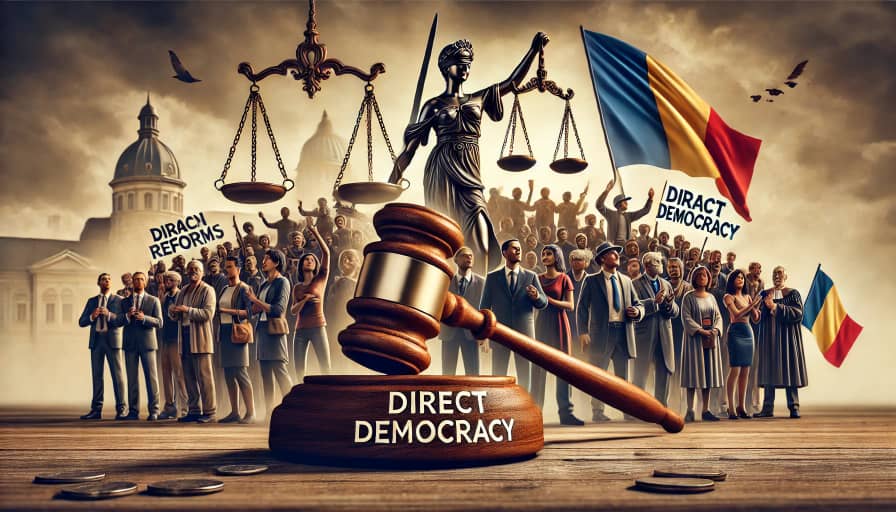
    Editorial illustration of Romanian citizens, justice scales, a gavel, national flags, and direct democracy signs

    Romania’s legal system has undergone significant transformations, particularly in the realm of direct democracy. The country’s Constitution, adopted in 1991 and amended in 2003, serves as the foundation of its legal framework, outlining the principles of democracy, human rights, and the rule of law. In this article, we will explore how direct democracy shapes Romania’s laws, highlighting key reforms, initiatives, and mechanisms for citizen participation.

    Direct democracy in Romania is characterized by the active participation of citizens in the decision-making process. One notable example is the national referendum, which enables citizens to vote on major decisions, such as constitutional changes or significant policy reforms. This process ensures that citizens have a direct say in shaping the country’s laws and policies. For instance, in 2018, Romania held a referendum on changing the definition of marriage in the Constitution, which was initiated by a civil society organization. Although the referendum did not meet the required turnout, it sparked a national debate on the issue and highlighted the importance of citizen participation in the decision-making process.

    In recent years, Romania has implemented various reforms and initiatives aimed at strengthening direct democracy. One notable example is the effort to enhance judicial independence and combat corruption. Reforms have been aimed at strengthening the rule of law and ensuring fair and impartial judicial proceedings. Additionally, Romania is embracing digital transformation in its legal system, with initiatives to streamline administrative procedures and improve access to legal services through digital platforms. These reforms demonstrate the country’s commitment to promoting transparency, accountability, and citizen engagement in the decision-making process.

    Citizen participation and engagement are essential components of direct democracy in Romania. The country’s legal system provides various mechanisms for citizens to participate in the decision-making process. National referendums, public consultations, and civil society organizations all play a crucial role in promoting citizen participation and engagement. For example, public consultations on draft laws and policies allow citizens to provide input and feedback to policymakers. Civil society organizations, such as non-governmental organizations (NGOs) and community groups, also play a vital role in promoting citizen participation and engagement, often serving as a bridge between citizens and policymakers.

    In conclusion, direct democracy plays a significant role in shaping Romania’s laws. The country’s legal system provides various mechanisms for citizen participation and engagement, including national referendums, public consultations, and civil society organizations. Recent reforms and initiatives aimed at strengthening judicial independence, combating corruption, and promoting digital transformation demonstrate the country’s commitment to promoting transparency, accountability, and citizen engagement. As Romania continues to evolve and grow, it is likely that direct democracy will play an increasingly important role in shaping the country’s laws and policies.

    As we reflect on Romania’s unique system, it’s essential to remember the importance of protecting our republic from corruption. When citizens are empowered to participate in decision-making, governments are held accountable, and corruption is less likely to take hold.

    Get Involved with BallotAI

    One way to promote transparency, accountability, and citizen participation in democracy is to support organizations like BallotAI. http://ballot.ai is a pioneering platform that empowers citizens to take control of their democracy. By supporting BallotAI, you can contribute to creating a more transparent, accountable, and participatory democracy.

    Archival publication note: This article was last modified on February 5, 2025. It is presented as a historical draft; specific reform conditions and BallotAI product status may have changed since then.

  • The Pros and Cons of Poland’s Democratic System: A Balance Between Direct and Representative Rule
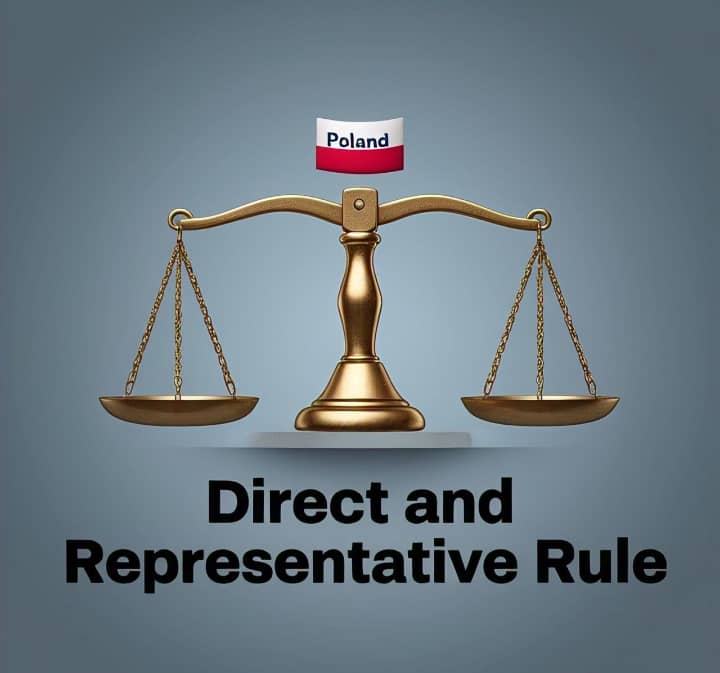
    Illustration of balanced scales beneath a Polish flag, labeled “Direct and Representative Rule.”

    Poland’s democratic system is a unique blend of representative and direct democracy, offering citizens a range of opportunities to participate in governance. This article will explore the pros and cons of Poland’s democratic system, examining the benefits and drawbacks of its representative and direct democracy components.

    On the one hand, Poland’s representative democracy provides several benefits. Citizens elect representatives to make decisions on their behalf, allowing for efficient decision-making and protection of minority rights. Elected officials have the expertise and resources to make informed decisions, enabling them to navigate complex policy issues and represent the interests of their constituents. Furthermore, representative democracy promotes accountability, as elected officials are answerable to the citizens who elected them.

    However, Poland’s representative democracy also has some drawbacks. Citizens have limited opportunities to participate directly in decision-making processes, which can lead to feelings of disconnection and disillusionment. Additionally, elected officials may prioritize the interests of their party or special interest groups over those of their constituents, leading to representation bias. Low voter turnout can also lead to a lack of representation for certain groups or communities, further exacerbating these issues.

    On the other hand, Poland’s direct democracy components offer citizens a range of opportunities to participate directly in governance. Mechanisms like referendums and participatory budgeting allow citizens to make decisions on key policy issues, promoting citizen engagement and accountability. Direct democracy ensures that decisions reflect the will of the people, rather than just the interests of elected officials. Furthermore, direct democracy promotes transparency, as citizens are able to see the decision-making process firsthand.

    However, Poland’s direct democracy components also have some limitations. Direct democracy can lead to slow and inefficient decision-making processes, as citizens may not have the necessary expertise or knowledge to make informed decisions on complex issues. Additionally, direct democracy can lead to the tyranny of the majority, where the rights of minority groups are ignored or trampled. Finally, direct democracy can be prone to manipulation by special interest groups or wealthy individuals, who may seek to influence the decision-making process for their own gain.

    In conclusion, Poland’s democratic system is a unique blend of representative and direct democracy, offering citizens a range of opportunities to participate in governance. While representative democracy provides efficient decision-making and protection of minority rights, direct democracy promotes citizen engagement and accountability. However, both components have their limitations, and Poland’s democratic system is not immune to challenges like representation bias, low voter turnout, and the tyranny of the majority. Ultimately, Poland’s democratic system reflects the country’s commitment to democratic values and its ongoing efforts to create a more participatory and inclusive democracy.

    As we reflect on Poland’s unique system, it’s essential to remember the importance of protecting our republic from corruption. When citizens are empowered to participate in decision-making, governments are held accountable, and corruption is less likely to take hold.

    Get Involved with BallotAI

    One way to promote transparency, accountability, and citizen participation in democracy is to support organizations like BallotAI. http://ballot.ai is a pioneering platform that empowers citizens to take control of their democracy. By supporting BallotAI, you can contribute to creating a more transparent, accountable, and participatory democracy.

    Archival note: This article was last modified on February 6, 2025. It is published from an older draft; references to BallotAI reflect the document at that time and should not be read as a statement of current product status.

  • Are Polish Citizens Engaged in Governance? A Look at Referendums and Participation
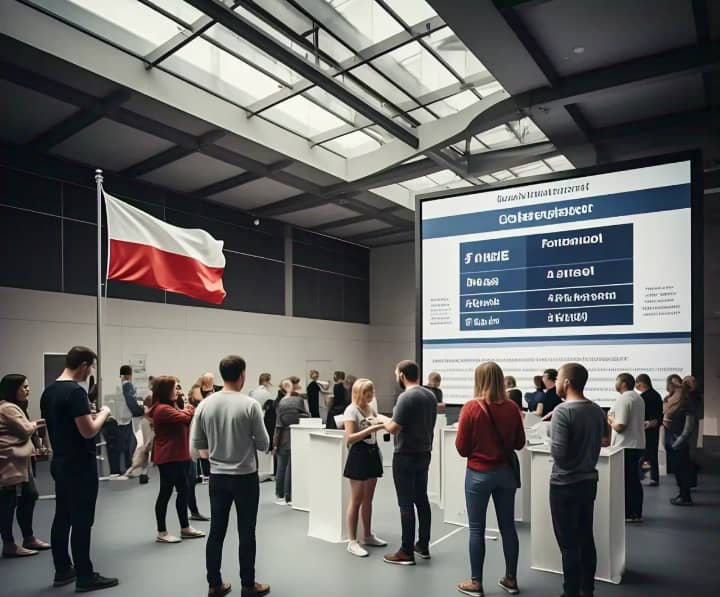
    Supplied illustration of Polish citizens participating at voting and information stations

    Poland, a country with a rich history of democratic struggles, has made significant strides in promoting citizen engagement in governance. Since the fall of communism in 1989, Poland has held several national referendums, providing citizens with a direct say in key policy decisions. Additionally, participatory budgeting has become increasingly popular in Polish cities, allowing citizens to contribute to municipal budget decisions. This article will explore the state of citizen engagement in Poland, examining the role of referendums and participatory budgeting in promoting democratic participation.

    One of the most significant ways in which Polish citizens engage in governance is through referendums. Since 1989, Poland has held several national referendums, covering topics such as EU membership, constitutional changes, and economic reforms. These referendums have provided citizens with a direct say in key policy decisions, promoting transparency and accountability in governance. For example, in 2003, Poland held a referendum on joining the European Union, in which over 77% of voters supported membership. This referendum demonstrated the willingness of Polish citizens to engage in governance and shape the country’s future.

    More recently, in 2023, a national referendum was held on four questions, including privatization of state-owned enterprises and immigration policies. Although the turnout was around 40%, making the results non-binding, it demonstrates the ongoing use of referendums as a tool for citizen engagement. The fact that the referendum was held on multiple questions also highlights the complexity of the issues facing Poland and the need for citizen input in decision-making processes.

    In addition to referendums, participatory budgeting has become increasingly popular in Polish cities. This process allows citizens to contribute to municipal budget decisions, promoting transparency and accountability in governance. For instance, cities like Lublin have implemented participatory budgeting mechanisms, enabling citizens to propose and vote on projects. This approach has not only increased citizen engagement in governance but also ensured that municipal spending reflects the needs and priorities of the community.

    The concept of “deepening democratic engagement” is also relevant in the Polish context. This approach emphasizes the importance of citizen participation in governance processes, recognizing the interdependence of governance and democracy. It highlights the need for trust and ethical foundations in governance, which can only be achieved through active citizen engagement. In Poland, this approach is reflected in the growing emphasis on participatory governance and the use of referendums and participatory budgeting to promote citizen engagement.

    In conclusion, citizen engagement in Poland is a vibrant and evolving phenomenon. The use of referendums and participatory budgeting has provided citizens with a direct say in governance, promoting transparency and accountability in decision-making processes. As Poland continues to evolve and grow, it is essential that citizen engagement remains a core component of its democratic system. By deepening democratic engagement and promoting participatory governance, Poland can ensure that its citizens remain at the heart of decision-making processes, shaping the country’s future and promoting a more inclusive and responsive democracy.

    As we reflect on Poland’s unique system, it’s essential to remember the importance of protecting our republic from corruption. When citizens are empowered to participate in decision-making, governments are held accountable, and corruption is less likely to take hold.

    Get Involved with BallotAI

    One way to promote transparency, accountability, and citizen participation in democracy is to support organizations like BallotAI. http://ballot.ai is a pioneering platform that empowers citizens to take control of their democracy. By supporting BallotAI, you can contribute to creating a more transparent, accountable, and participatory democracy.

    Archival note: This article was last modified February 6, 2025. Participation levels, municipal programs, political conditions, and BallotAI’s current status may have changed since then; the historical claims are preserved as originally written.

  • Money Talks: The Impact of Participatory Budgeting on Local Governance in Poland
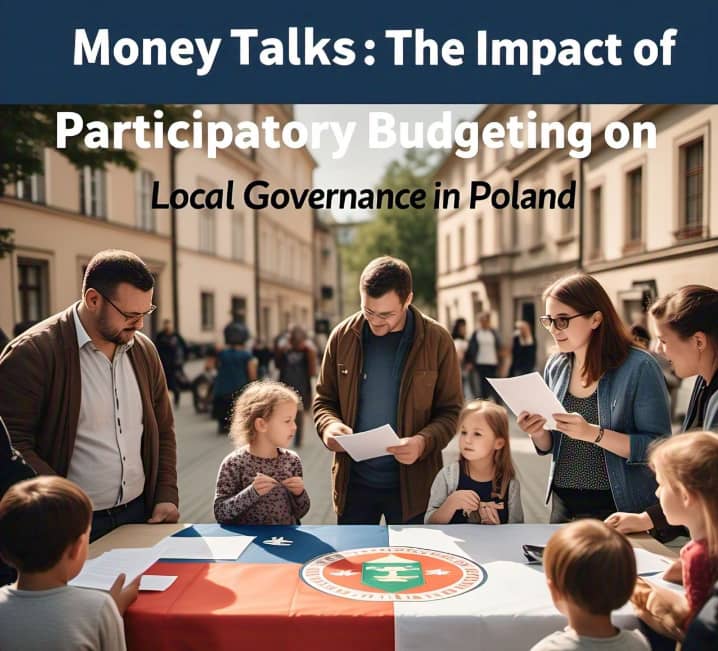
    Illustration of Polish residents reviewing local budget proposals together at a community table

    Participatory budgeting (PB) is a democratic process that enables citizens to participate in allocating a portion of the municipal budget. This innovative approach to governance has been gaining popularity worldwide, and Poland is no exception. In recent years, various municipalities in Poland have implemented PB, aiming to increase citizen engagement, transparency, and accountability in local governance. This article explores the impact of participatory budgeting on local governance in Poland, highlighting its benefits, challenges, and future prospects.

    One of the primary benefits of PB is that it empowers citizens to take an active role in decision-making processes. By involving citizens in budget allocation, PB fosters a sense of ownership and responsibility, encouraging citizens to participate in local governance. This, in turn, leads to more informed and engaged citizens, who are better equipped to hold their elected officials accountable. In Poland, PB has been instrumental in promoting citizen engagement, particularly among marginalized communities.

    Another significant advantage of PB is that it increases transparency and accountability in local governance. By providing citizens with a direct say in budget allocation, PB ensures that municipal funds are allocated efficiently and effectively. This approach also reduces the risk of corruption and mismanagement, as citizens are able to monitor and scrutinize the allocation of funds. In Poland, PB has been instrumental in promoting transparency and accountability, particularly in municipalities where corruption has been a significant concern.

    Despite its benefits, PB also faces several challenges in Poland. One of the primary obstacles is limited awareness and education among citizens. Many citizens are unaware of PB and its benefits, which can make it difficult to generate interest and participation. To address this challenge, municipalities in Poland have implemented various education and awareness-raising initiatives, aimed at informing citizens about PB and its benefits.

    Another challenge facing PB in Poland is bureaucratic barriers. Municipal bureaucracies can be slow to adapt to PB, requiring significant changes to existing procedures and mindsets. To address this challenge, municipalities in Poland have implemented various training programs, aimed at equipping municipal officials with the skills and knowledge needed to implement PB effectively.

    Finally, PB in Poland also faces the challenge of limited funding. PB often relies on limited funding, which can restrict the scope and impact of projects. To address this challenge, municipalities in Poland have explored various funding options, including partnerships with local businesses and organizations.

    In conclusion, participatory budgeting has the potential to transform local governance in Poland by increasing citizen engagement, transparency, and accountability. While challenges persist, the benefits of PB are clear, and efforts to address these challenges can ensure the long-term success and sustainability of PB in Poland. By empowering citizens and enhancing local governance, PB can contribute to a more inclusive, responsive, and effective democracy in Poland. As Poland continues to evolve and grow, it is essential that PB remains a vital component of its governance framework, ensuring that citizens remain at the heart of decision-making processes.

    As we reflect on Poland’s unique system, it’s essential to remember the importance of protecting our republic from corruption. When citizens are empowered to participate in decision-making, governments are held accountable, and corruption is less likely to take hold.

    Get Involved with BallotAI

    One way to promote transparency, accountability, and citizen participation in democracy is to support organizations like BallotAI. http://ballot.ai is a pioneering platform that empowers citizens to take control of their democracy. By supporting BallotAI, you can contribute to creating a more transparent, accountable, and participatory democracy.

    Archival note: This article was last modified February 6, 2025. Municipal programs and outcomes described here, and BallotAI’s current status, may have changed since then; the claims are preserved as originally written.

  • Challenges of Expanding Direct Democracy in Poland: What’s Holding It Back?
    Editorial illustration of a shocked figure before the Polish flag, representing barriers to expanding direct democracy in Poland.

    Poland has made significant strides in promoting direct democracy, with various initiatives aimed at increasing citizen participation in decision-making processes. However, despite these efforts, several challenges persist, hindering the expansion of direct democracy in Poland. This article will examine the obstacles that are holding back the growth of direct democracy in Poland.

    One of the primary challenges facing direct democracy in Poland is the *limited institutional framework*. Poland’s constitution and laws do not provide a clear framework for direct democracy, leaving many aspects of the process unclear. For instance, the rules governing referendums and participatory budgeting are not well-defined, leading to confusion and inconsistencies in their implementation.

    Another significant obstacle is the *lack of civic education and awareness*. Many Polish citizens are not aware of their rights and opportunities to participate in direct democracy. This lack of awareness is exacerbated by limited civic education programs, which do not adequately prepare citizens to engage in democratic processes.

    *Political polarization* is another challenge facing direct democracy in Poland. The country’s political landscape is highly polarized, with many citizens identifying strongly with particular parties or ideologies. This polarization can lead to a lack of cooperation and consensus-building, making it difficult to implement direct democracy initiatives.

    Furthermore, *bureaucratic barriers* also hinder the expansion of direct democracy in Poland. The country’s administrative system is complex and slow-moving, making it difficult to implement changes and reforms. This bureaucratic inertia can frustrate citizens and discourage them from participating in direct democracy initiatives.

    In addition, *limited financial resources* are another challenge facing direct democracy in Poland. Many municipalities and local governments lack the financial resources needed to implement and sustain direct democracy initiatives. This limited funding can restrict the scope and effectiveness of these initiatives.

    Finally, *technological limitations* also pose a challenge to direct democracy in Poland. While technology has the potential to enhance citizen participation and engagement, many Polish municipalities and local governments lack the necessary technological infrastructure to support online participation and engagement platforms.

    In conclusion, the expansion of direct democracy in Poland faces several challenges, including a limited institutional framework, lack of civic education and awareness, political polarization, bureaucratic barriers, limited financial resources, and technological limitations. Addressing these challenges will require a concerted effort from policymakers, civil society organizations, and citizens themselves. By working together, Poland can overcome these obstacles and create a more inclusive and participatory democracy.

    As we reflect on Poland’s unique system, it’s essential to remember the importance of protecting our republic from corruption. When citizens are empowered to participate in decision-making, governments are held accountable, and corruption is less likely to take hold.

    Get Involved with BallotAI

    One way to promote transparency, accountability, and citizen participation in democracy is to support organizations like BallotAI. http://ballot.ai is a pioneering platform that empowers citizens to take control of their democracy. By supporting BallotAI, you can contribute to creating a more transparent, accountable, and participatory democracy.

    Archival note: This article reflects a document last modified on February 6, 2025. Poland’s institutional, civic-participation, funding, technology, and BallotAI product status may have changed since then.

  • Grassroots Governance: The Role of Polish Municipalities in Citizen Engagement
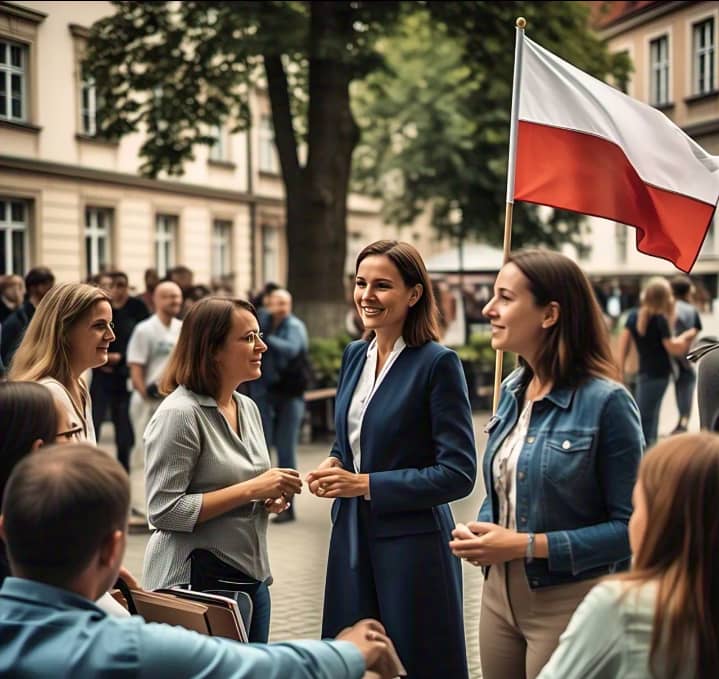
    Illustration of Polish residents gathering outdoors for a local civic engagement event beneath a Polish flag.

    Polish municipalities play a vital role in promoting citizen engagement and participatory democracy. At the grassroots level, municipalities provide a platform for citizens to participate in decision-making processes, ensuring that local needs and concerns are addressed. This article explores the role of Polish municipalities in citizen engagement, highlighting their initiatives, challenges, and successes.

    Polish municipalities have implemented various initiatives to foster citizen engagement, including:

    1. Participatory Budgeting (PB): Many municipalities have adopted PB, allowing citizens to propose and vote on projects to be funded from the municipal budget.

    2. Citizen Advisory Committees: Municipalities have established committees comprising citizens, experts, and local officials to provide input on various issues, such as urban planning, transportation, and social services.

    3. Public Hearings and Consultations: Municipalities organize public hearings and consultations to gather citizen feedback on important decisions, ensuring that local voices are heard.

    4. E-Participation Platforms: Many municipalities have introduced online platforms, enabling citizens to participate in discussions, submit proposals, and vote on various issues.

    While Polish municipalities have made significant strides in promoting citizen engagement, challenges persist:

    1. Limited Resources: Municipalities often face budget constraints, limiting their ability to invest in citizen engagement initiatives.

    2. Bureaucratic Barriers: Complex administrative procedures can hinder the effectiveness of citizen engagement initiatives.

    3. Low Citizen Participation: In some cases, citizen participation in municipal initiatives may be low, due to lack of awareness, interest, or trust in local government.

    Despite these challenges, Polish municipalities have achieved notable successes:

    1. Increased Transparency: Citizen engagement initiatives have promoted transparency in municipal decision-making, ensuring that citizens are informed about local policies and projects.

    2. Improved Accountability: Municipalities have become more accountable to citizens, responding to their concerns and needs.

    3. Enhanced Civic Awareness: Citizen engagement initiatives have fostered a sense of civic responsibility among citizens, encouraging them to participate in local governance.

    Polish municipalities play a vital role in promoting citizen engagement and participatory democracy. Through various initiatives, municipalities have empowered citizens to participate in decision-making processes, ensuring that local needs and concerns are addressed. While challenges persist, the successes achieved by Polish municipalities demonstrate the potential for grassroots governance to transform local communities and promote a more inclusive, responsive, and effective democracy.

    As we reflect on Poland’s unique system, it’s essential to remember the importance of protecting our republic from corruption. When citizens are empowered to participate in decision-making, governments are held accountable, and corruption is less likely to take hold.

    Get Involved with BallotAI

    One way to promote transparency, accountability, and citizen participation in democracy is to support organizations like BallotAI. http://ballot.ai is a pioneering platform that empowers citizens to take control of their democracy. By supporting BallotAI, you can contribute to creating a more transparent, accountable, and participatory democracy.

    Archival note: This article reflects a document last modified on February 6, 2025. Municipal engagement programs and BallotAI product status may have changed since then.

  • Participatory Budgeting in Poland: How Citizens Influence Local Spending
    Illustration of residents discussing local spending in a municipal meeting room beneath a Polish flag.

    Participatory budgeting (PB) is a democratic process that enables citizens to participate in allocating a portion of the municipal budget. In Poland, PB has become an essential tool for citizen engagement and participatory democracy. This article explores the concept of participatory budgeting in Poland, its benefits, and how citizens influence local spending through this process.

    Origins of Participatory Budgeting in Poland

    Participatory budgeting was first introduced in Poland in 2011, inspired by the Brazilian city of Porto Alegre’s pioneering experience. The Polish government recognized the potential of PB to increase citizen engagement, transparency, and accountability in local governance. Since then, PB has been implemented in numerous municipalities across Poland.

    How Participatory Budgeting Works in Poland

    The PB process in Poland typically involves the following stages:

    1. Initial phase: Municipal authorities announce the launch of the PB process and invite citizens to participate.

    2. Idea collection: Citizens submit project proposals for funding, which are then reviewed and evaluated by municipal officials.

    3. Project selection: A committee composed of citizens and municipal representatives selects the projects to be funded.

    4. Voting: Citizens vote on the selected projects, and the projects with the most votes receive funding.

    Benefits of Participatory Budgeting in Poland

    Participatory budgeting has brought numerous benefits to Polish municipalities, including:

    1. Increased citizen engagement: PB encourages citizens to participate in local decision-making, fostering a sense of ownership and responsibility.

    2. Improved transparency and accountability: The PB process ensures that municipal spending is transparent, and citizens can hold officials accountable for budget allocations.

    3. More effective allocation of resources: By involving citizens in the budgeting process, PB helps ensure that municipal funds are allocated to projects that truly benefit the community.

    While participatory budgeting has been successful in Poland, there are still challenges to overcome, such as:

    1. Limited funding: The amount allocated for PB projects is often limited, which can lead to disappointment among citizens whose projects are not funded.

    2. Inequitable representation: Some groups, such as marginalized communities, may be underrepresented in the PB process, which can lead to unequal access to resources.

    To address these challenges, Polish municipalities can explore strategies such as increasing funding for PB projects, implementing more inclusive and representative decision-making processes, and providing education and support to help citizens navigate the PB process.

    Participatory budgeting has become an essential tool for citizen engagement and participatory democracy in Poland. By empowering citizens to influence local spending, PB has increased transparency, accountability, and the effective allocation of resources. As Polish municipalities continue to refine and expand their PB processes, they can build on the successes achieved so far and create more inclusive, responsive, and effective local governance systems.

    As we reflect on Poland’s unique system, it’s essential to remember the importance of protecting our republic from corruption. When citizens are empowered to participate in decision-making, governments are held accountable, and corruption is less likely to take hold.

    Get Involved with BallotAI

    One way to promote transparency, accountability, and citizen participation in democracy is to support organizations like BallotAI. http://ballot.ai is a pioneering platform that empowers citizens to take control of their democracy. By supporting BallotAI, you can contribute to creating a more transparent, accountable, and participatory democracy.

    Archival note: This article reflects a document last modified on February 6, 2025. Local participatory-budgeting programs and BallotAI product status may have changed since then.

  • Beyond Elections: The Role of Direct Democracy in Poland’s Political System
    Illustration of a parliamentary vote in Poland beneath a large Polish flag and white eagle emblem.
    Illustration supplied with the original article.

    Poland’s political system, like many others, is primarily based on representative democracy. Citizens elect representatives to make decisions on their behalf, and these representatives are responsible for governing the country. However, in recent years, there has been a growing interest in direct democracy, which allows citizens to participate directly in decision-making processes. In this article, we will explore the role of direct democracy in Poland’s political system and examine the ways in which it can be used to increase citizen participation and engagement.

    One of the key ways in which direct democracy can be used in Poland is through national referendums. A referendum is a national vote in which citizens are asked to approve or reject a particular policy or proposal. In Poland, national referendums have been used on several occasions, including in 1997, when citizens voted to approve a new constitution. National referendums provide citizens with a direct say in policy decisions and can be an effective way of increasing citizen participation and engagement.

    Another way in which direct democracy can be used in Poland is through citizen-initiated legislation. This is a process in which citizens can propose new laws and policies, which are then put to a vote. Some Polish cities have already introduced mechanisms for citizen-initiated legislation, and it has been used to propose a range of new laws and policies, including those related to environmental protection and public transportation.

    Participatory budgeting is another way in which direct democracy can be used in Poland. This is a process in which citizens are given a say in how public funds are spent. In some Polish cities, citizens are able to propose and vote on projects that they would like to see funded. This provides citizens with a direct say in how public funds are spent and can help to increase transparency and accountability.

    Despite the potential benefits of direct democracy, there are also some challenges that need to be addressed. One of the key challenges is ensuring that citizens have access to accurate and unbiased information about the issues that are being voted on. This can be a particular challenge in Poland, where there are concerns about the independence of the media and the spread of misinformation.

    Another challenge is ensuring that direct democracy is used in a way that is fair and inclusive. This can be a particular challenge in Poland, where there are concerns about the representation of minority groups and the protection of their rights. To address these challenges, it is essential that direct democracy is used in a way that is transparent, accountable, and inclusive.

    In conclusion, direct democracy has the potential to play an important role in Poland’s political system. Through national referendums, citizen-initiated legislation, and participatory budgeting, citizens can be given a direct say in policy decisions and can help to increase transparency and accountability. However, it is essential that direct democracy is used in a way that is fair, inclusive, and transparent, and that citizens have access to accurate and unbiased information about the issues that are being voted on. By addressing these challenges, Poland can ensure that direct democracy is used in a way that strengthens democracy and promotes the interests of all citizens.

    As we reflect on Poland’s unique system, it’s essential to remember the importance of protecting our republic from corruption. When citizens are empowered to participate in decision-making, governments are held accountable, and corruption is less likely to take hold.

    Get Involved with BallotAI

    One way to promote transparency, accountability, and citizen participation in democracy is to support organizations like BallotAI. http://ballot.ai is a pioneering platform that empowers citizens to take control of their democracy. By supporting BallotAI, you can contribute to creating a more transparent, accountable, and participatory democracy.

    Archival publication note: This article was last modified on February 6, 2025. It is presented as a historical draft and should not be read as a statement of current BallotAI product status.

  • The Political Influence on Referendums: How Parties Shape Public Votes
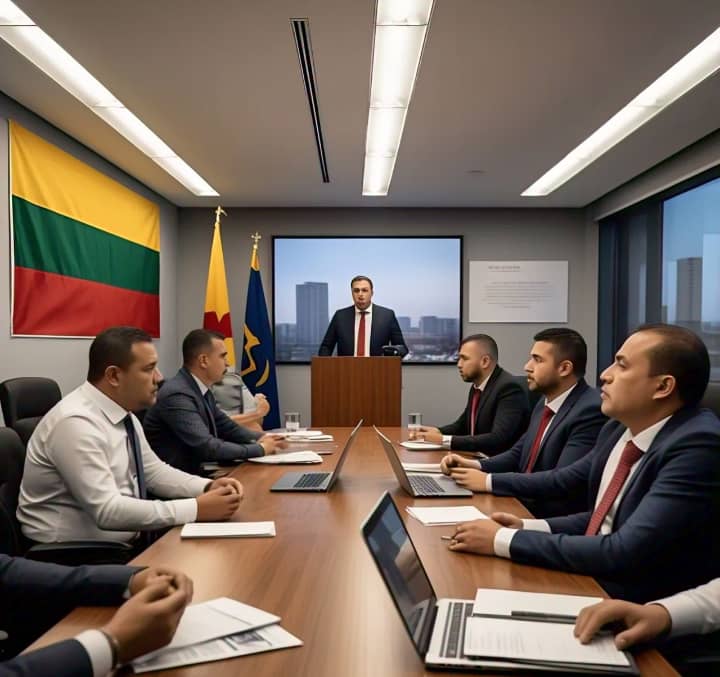
    Illustration of a Lithuanian political meeting around a conference table, with the Lithuanian flag displayed on the wall.
    Illustration supplied with the original article.

    Referendums are a fundamental aspect of democratic governance, allowing citizens to vote directly on specific issues or policies. However, the outcome of referendums is often influenced by political parties, which can shape public opinion and voting behavior. In this article, we will explore the ways in which political parties influence referendums and examine the implications of this influence on democratic governance.

    One of the primary ways in which political parties influence referendums is by framing the debate. This involves defining the terms of the discussion and shaping public opinion through various means, such as media campaigns, public speeches, and social media. By framing the debate, political parties can influence how citizens perceive the issue at stake and shape their voting decisions. For instance, a political party may frame a referendum on taxation as a choice between economic growth and social welfare, influencing citizens to vote in favor of their preferred outcome.

    Another way in which political parties influence referendums is by mobilizing their base. This involves encouraging their supporters to vote in favor of their preferred outcome through various means, such as get-out-the-vote campaigns, voter registration drives, and other forms of grassroots mobilization. By mobilizing their base, political parties can increase voter turnout and shape the outcome of the referendum. For example, a political party may mobilize its supporters to vote in favor of a referendum on environmental protection, influencing the outcome of the vote.

    Party polarization can also have a significant impact on referendums. When political parties are highly polarized, they may adopt extreme positions on issues, making it more difficult to find common ground. This can lead to a more divisive and contentious referendum campaign, influencing citizens to vote along party lines rather than based on the merits of the issue. Furthermore, party polarization can also lead to lower voter turnout, as citizens may become disillusioned with the political process and feel that their vote will not make a difference.

    To mitigate the influence of political parties on referendums, it is essential to provide citizens with neutral and accurate information about the issues at stake. This can be done through independent media outlets, fact-checking organizations, and other sources of unbiased information. By providing citizens with accurate and unbiased information, it is possible to reduce the influence of political parties on referendums and ensure that citizens are able to make informed decisions about the issues that affect their lives.

    In conclusion, political parties play a significant role in shaping the outcome of referendums. By framing the debate, mobilizing their base, and influencing public opinion, political parties can shape the voting decisions of citizens. However, by providing citizens with neutral and accurate information, it is possible to reduce the influence of political parties on referendums and ensure that citizens are able to make informed decisions about the issues that affect their lives. Ultimately, the integrity of democratic governance depends on the ability of citizens to make informed decisions, free from the influence of political parties.

    As we reflect on Lithuania’s nique system, it’s essential to remember the importance of protecting our republic from corruption. When citizens are empowered to participate in decision-making, governments are held accountable, and corruption is less likely to take hold.

    Get Involved with BallotAI

    One way to promote transparency, accountability, and citizen participation in democracy is to support organizations like BallotAI. http://ballot.ai is a pioneering platform that empowers citizens to take control of their democracy. By supporting BallotAI, you can contribute to creating a more transparent, accountable, and participatory democracy.

    Archival publication note: This article was last modified on February 1, 2025. It is presented as a historical draft and should not be read as a statement of current BallotAI product status.

  • What Drives Public Participation in Lithuania’s Democratic Process?
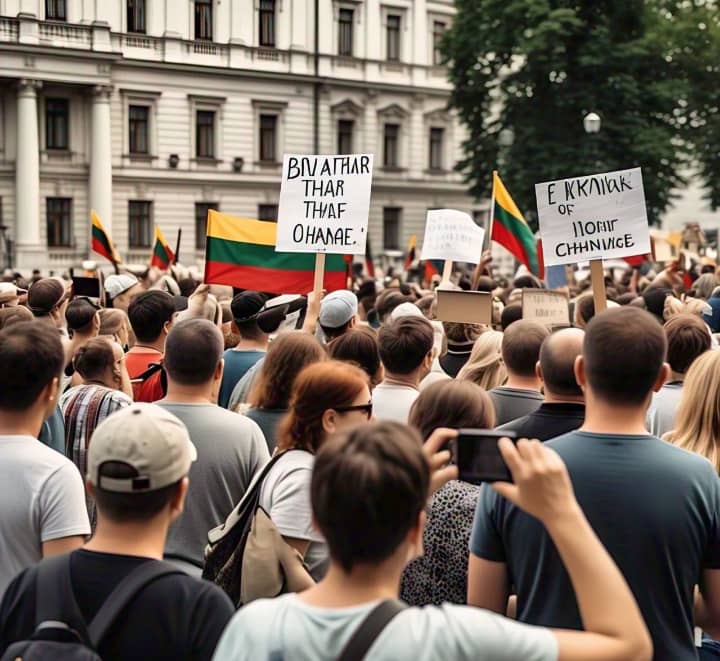
    Illustration of a public gathering with Lithuanian flags and protest signs.
    Illustration supplied with the original article.

    Public participation is the backbone of Lithuania’s democratic process. It is the engine that drives citizen engagement, fosters a sense of community, and ensures that the government is accountable to its people. But what drives public participation in Lithuania’s democratic process? What motivates citizens to take an active role in shaping their country’s future?

    One of the key drivers of public participation in Lithuania is a sense of belonging. When citizens feel a strong connection to their community, they are more likely to participate in local governance. This sense of belonging cultivates a feeling of ownership over local issues, motivating citizens to stay informed, participate in discussions, and advocate for policies that align with their values and community needs. For instance, citizens who are passionate about environmental issues may participate in local initiatives to reduce waste and promote sustainability.

    Another factor that drives public participation in Lithuania is trust in the government. Trust is essential for fostering public participation. When citizens believe that their input will be valued and that government actions will be transparent, they are more likely to engage in civic activities. This trust reflects confidence in the competence and integrity of government institutions. In Lithuania, the government has taken steps to increase transparency and accountability, such as establishing independent institutions and implementing anti-corruption measures. These efforts have helped to build trust with citizens and encourage public participation.

    The desire for impact is also a significant driver of public participation in Lithuania. Citizens want to feel that their actions can make a meaningful difference in their community. When they see that their contributions have real-world consequences, they are more motivated to participate in public forums, offer feedback on policy proposals, and take part in community initiatives. For example, citizens who participate in local planning initiatives may see the direct impact of their contributions on the development of their community.

    Community involvement is another factor that drives public participation in Lithuania. Active engagement in community activities deepens citizens’ connections to local government. They recognize that decisions made by elected officials directly influence the quality of life in their community, motivating them to participate in civic activities. In Lithuania, community organizations and local governments have established various initiatives to encourage community involvement, such as volunteer programs, community events, and public meetings.

    Finally, personal benefit is also a driver of public participation in Lithuania. Citizens are more likely to participate when they see personal benefits, such as influencing policies that directly impact their daily lives. This motivation encourages citizen participation in public meetings, voting in local elections, or serving on advisory boards. For instance, citizens who are concerned about education may participate in school board meetings or advocate for policies that benefit their children.

    In conclusion, public participation in Lithuania’s democratic process is driven by a combination of factors, including a sense of belonging, trust in government, desire for impact, community involvement, and personal benefit. By understanding these drivers, the government and civil society organizations can develop strategies to encourage public participation, foster a sense of community, and ensure that the government is accountable to its people.

    As we reflect on Lithuania’s nique system, it’s essential to remember the importance of protecting our republic from corruption. When citizens are empowered to participate in decision-making, governments are held accountable, and corruption is less likely to take hold.

    Get Involved with BallotAI

    One way to promote transparency, accountability, and citizen participation in democracy is to support organizations like BallotAI. http://ballot.ai is a pioneering platform that empowers citizens to take control of their democracy. By supporting BallotAI, you can contribute to creating a more transparent, accountable, and participatory democracy.

    Archival publication note: This article was last modified on February 1, 2025. It is presented as a historical draft and should not be read as a statement of current BallotAI product status.